

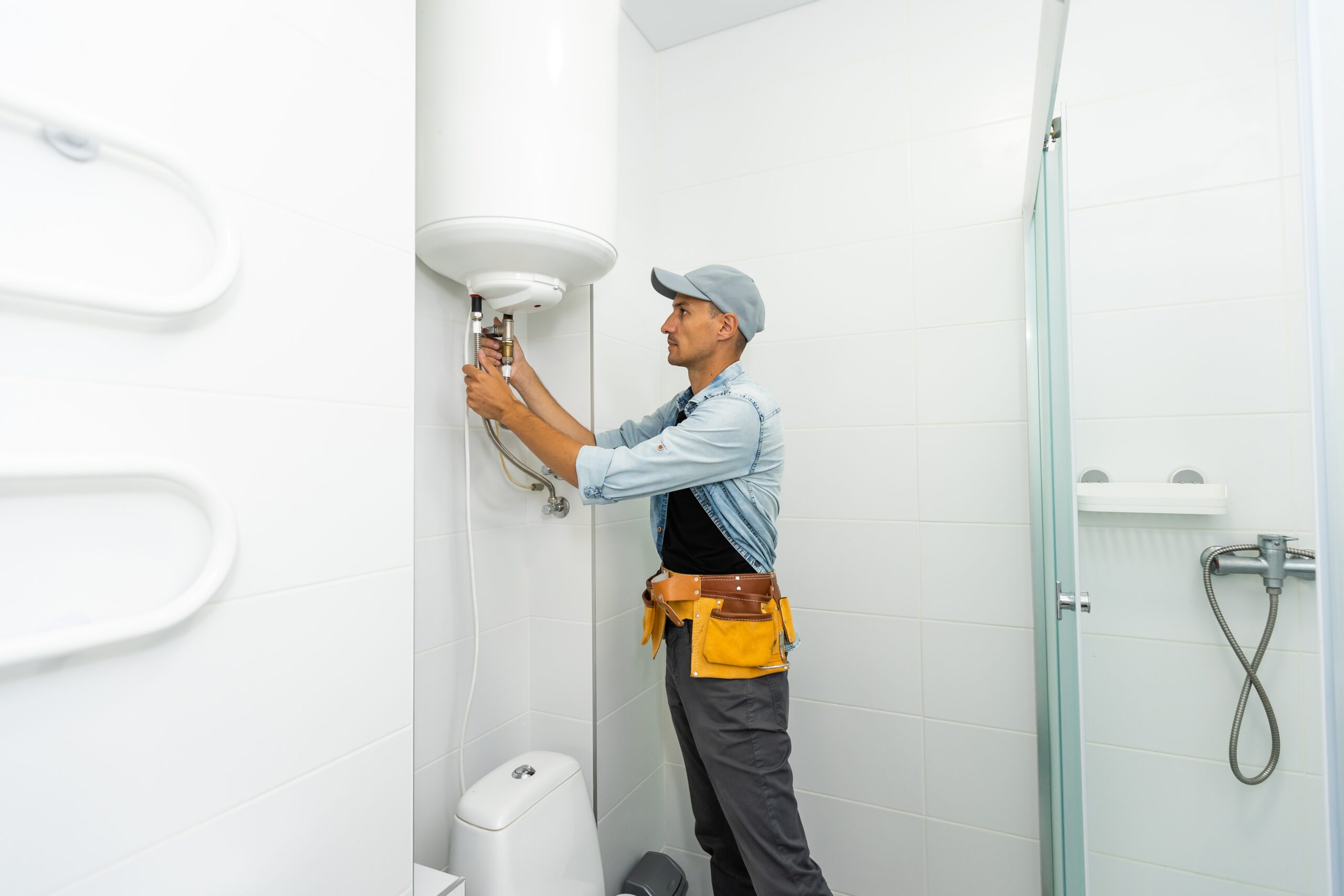
A water heater often goes unnoticed until something goes wrong. When replacement becomes necessary, the process can feel rushed and confusing. Many homeowners are surprised to learn that water heater installations include safety checks, proper placement, and careful planning. Having a clear idea of what’s involved helps reduce stress and leads to better decisions.
1. Why Installation Quality Matters in Everyday Use
A water heater affects daily routines more than people realize. Showers, dishes, laundry, and cleaning all depend on it. When a unit isn’t installed properly, the problems usually don’t show up right away. Instead, they appear slowly, like water that doesn’t stay hot long enough or small leaks that keep coming back. Good installation helps the system work the way it’s supposed to, without constant issues.
2. What Local Codes Are Really Meant to Do
Codes often sound like paperwork and rules, but they exist for real reasons. They focus on things like pressure control, drainage, and safe venting. These details keep the system from overheating or creating dangerous pressure. When an installation follows code, it reduces risks inside the home. Ignoring these requirements may not cause trouble immediately, but problems usually show up eventually.
3. Why Permits and Inspections Are Part of the Process
Getting permits can feel like a hassle, especially when you just want hot water back in your life as soon as possible. But permits actually do a lot of good. For one thing, they let inspectors double-check that the work has been done properly. Inspections also catch mistakes that you’d otherwise miss during installation. Plus, they give you some valuable proof that the system was installed correctly, which can be super helpful if you ever sell your place or need to deal with an insurance company.
4. Choosing a Water Heater That Matches Real Life
Not all households use hot water in the same way. Some places are like a busy hotel, where multiple people are using hot water at the same time. Others are a little more low-key. Trying to get the right size unit is a pretty big deal, though. If you go too small, you might run out of hot water all the time. And if you go too big, you’re just throwing money at the meter. Getting the right size system for your household’s actual usage habits is really the key to avoiding both of those headaches.
5. Why Installation Location Affects Cost
Where the water heater sits in the home matters more than most people think. Some locations are open and easy to work in, while others are tight and awkward. Limited space can slow down the job and require extra adjustments to meet safety requirements. Proper clearance and access are important for both installation and future maintenance.
6. Labor Costs and What Makes Them Change
Labor costs can differ since every home has its own setup. A straightforward replacement usually takes less time than a project that requires piping or vent adjustments. Choosing a professional water heater installation service helps make sure everything is handled properly, without rushed work or missed details. Skilled installers are used to dealing with small surprises along the way and know how to fix them before they turn into costly problems.
7. Energy Efficiency and Long-Term Comfort
Energy efficiency isn’t just about saving a buck; it’s about getting your system to run like clockwork and put less wear and tear on its bits. And if you do that, you’ll end up with fewer repairs and a system that performs just the way you want it to. Now, it is fair to say that an energy-efficient unit is going to set you back a bit upfront. But for a lot of folks, the long-term benefits make it a no-brainer.
8. Common Mistakes That Cause Repeat Problems
One of the most common mistakes that homeowners make is rushing into things. Choosing a unit solely on price or skipping inspections is a recipe for disaster down the line. You get stuff like bad venting, or one that’s too big for the job & they end up needing multiple trips out. Taking your time & doing it right from the start usually ends up saving you money and a whole lot of frustration in the long run, though.
A water heater probably doesn’t even make it onto your radar all that often, but the truth is, it’s a key part of your daily comfort level. But replacing one isn’t just a matter of swapping an old one out for a new one; it requires a bit of planning, some consideration of safety, and making sure the whole thing is set up just right. When everything is done properly, the heater runs a lot better and lasts a heck of a lot longer; that’s a fact. Understanding how the process works will really give you the confidence to take care of business the next time a replacement is due.
A properly installed water heater can make daily life a lot easier. The right installation now helps avoid problems later. For dependable service and honest guidance, contact us at Doyle Plumbing at 720-638-8839. Our pros are right here to help.
FAQs
1. How long does a typical water heater installation take?
In most homes, the job is usually finished within a few hours. If the new unit fits the existing setup, it can be done fairly quickly. Extra time may be needed if adjustments to piping, wiring, or ventilation are required, but it’s still often completed the same day.
2. Why are inspections included with installation?
Inspections help confirm that the system was installed safely and correctly.
3. Is professional installation really necessary?
Yes. Professional installation reduces risks and helps avoid future problems.