
Few household plumbing issues feel quite as personally frustrating as a weak shower that dribbles down while every other faucet in the home delivers normal pressure without complaint. The kitchen sink fills a pot in seconds, the bathroom faucet runs so hard it splashes everywhere, and yet the shower head delivers nothing more than a sad trickle that takes twenty minutes to rinse the shampoo properly. Most homeowners dealing with low shower water pressure in this specific isolated situation are scrolling through their phones in the bathroom, wondering whether the problem requires a major repair or simply a quick fix they can handle themselves on a Saturday afternoon. The good news is, isolated shower pressure problems almost always trace back to one of about five common causes, each with a clear diagnostic path and corresponding fix. Some solutions take ten minutes and cost nothing, while others require professional service for proper resolution. The next sections walk through the real causes and the realistic fixes for each scenario.
1. The simplest cause that resolves with five minutes of work
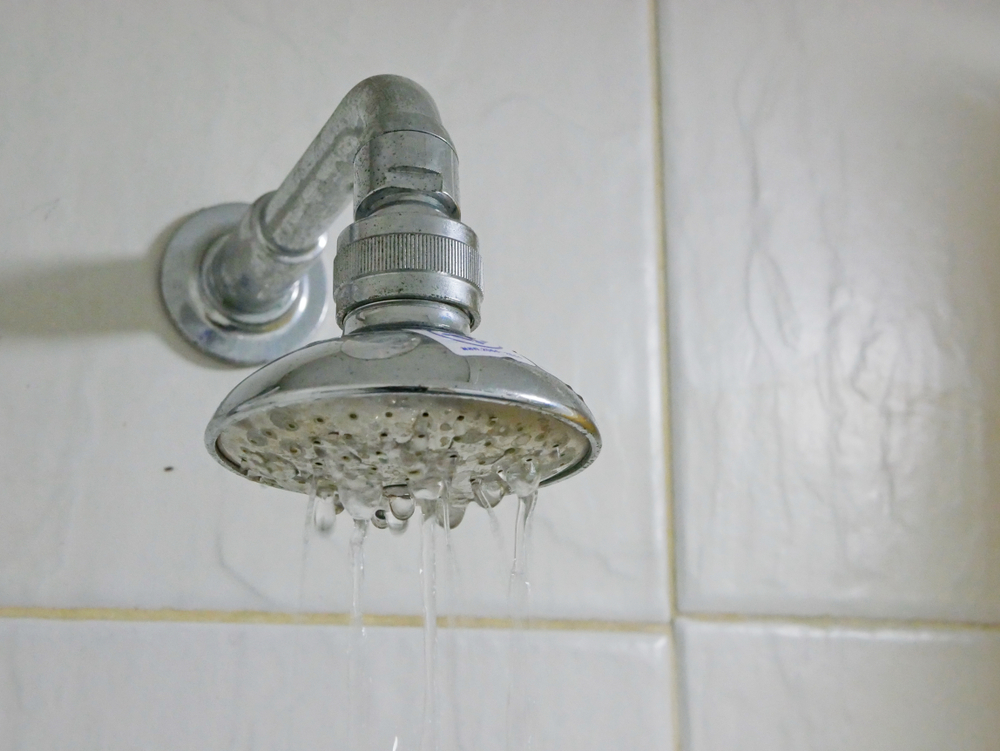
The single most common cause of isolated shower pressure problems sits right in plain sight at the end of the shower arm. Mineral deposits gradually accumulate inside shower head holes across years of regular use, slowly restricting water flow until the pressure drops noticeably below original levels. Unscrew the shower head from the arm, often by hand if it hasn’t been removed in years, and inspect the interior for white or green crusty buildup blocking the small holes. Soak the shower head overnight in a bowl of white vinegar, then scrub the deposits free with an old toothbrush before reinstalling. This single fix resolves roughly half of all isolated shower pressure complaints in homes across municipal water systems, since hard water minerals affect virtually every shower head over time.
2. The diverter valve problems that mimic pressure issues
The diverter valve that switches water between the tub spout and the shower head represents the next most common cause of isolated pressure complaints. When this valve fails partially or accumulates internal mineral deposits, water continues to flow through the tub spout, even when the shower position is engaged, effectively splitting the available pressure between two outlets. Listen for water flowing from the tub spout while the shower runs, since this audible clue confirms a failing diverter as the underlying cause. Feel the tub spout itself during shower operation, since any water dripping or flowing from this outlet during shower use signals the same problem. Diverter replacement runs $85 to $250 depending on whether the work requires removing the tub spout or accessing the valve through a panel behind the wall.
3. The deeper restriction problems hiding inside the head
A careful look at clogged showerhead mineral deposits reveals that the buildup extends well beyond just the exterior holes that homeowners typically inspect during initial troubleshooting. The internal screen filter inside most shower heads gradually clogs with debris from the supply line, restricting water flow even when the exterior holes appear clean. Disassemble the shower head completely, separating the spray face from the housing and removing any internal filter screens for thorough cleaning. Soak all components separately in white vinegar overnight to dissolve embedded mineral deposits that resist surface cleaning. Some shower heads contain flow restrictors required by federal water conservation regulations, and these restrictors gradually accumulate buildup that further reduces flow over the years of service. Cleaning these restrictors properly often restores pressure significantly more than working on just the exterior alone.
4. The supply line and shutoff valve issues that affect single fixtures
Supply line problems specific to the shower fixture sometimes cause isolated pressure complaints when other fixtures work normally throughout the home. Shutoff valves located behind access panels or under the floor sometimes corrode or develop internal obstructions that restrict flow to the shower without affecting any other plumbing in the house. Galvanized steel supply lines from older installations develop internal rust buildup that gradually reduces the effective pipe diameter, restricting flow to specific fixtures while leaving others unaffected. In cold-weather climates, partial pipe freezing in exterior walls can affect specific fixtures while leaving others operational. These supply line issues require professional service for proper diagnosis and repair, since the work involves accessing components hidden inside walls or under floors.
5. The pressure balancing valve failures that catch homeowners off guard
Modern showers built since the 1980s typically include pressure balancing valves designed to prevent dangerous temperature changes when other fixtures activate during shower use. These valves contain moving internal components that gradually wear over years of use, with failure modes that often manifest as reduced shower pressure with no obvious external symptoms. The valve cartridge becomes the focal point of any pressure investigation when other potential causes have been eliminated through systematic checking. Replacement cartridges run $35 to $125, depending on the specific brand and model, with labor adding another $150 to $300 for professional installation. Identify the specific valve manufacturer by checking the trim plate or any visible markings on the control handle, since cartridge compatibility varies significantly between major brands like Moen, Delta, Kohler, and Pfister.
Conclusion
Isolated shower pressure problems resolve when homeowners systematically work through diagnostic possibilities rather than immediately jumping to assumptions about major repairs. The simplest causes, including showerhead buildup and diverter valve issues, resolve most situations with modest effort and minimal expense in an afternoon of work. Deeper problems involving supply lines or pressure-balancing valves require professional service for proper resolution, but they still typically cost less than expected for a proper fix. Document the diagnostic steps already attempted before scheduling professional service, since this information helps technicians focus on remaining possibilities efficiently during the eventual repair visit.
“Weak streams, dripping heads, frustrating rinses. Call Doyle Plumbing at 720-638-8839 today. Our team diagnoses fast and quotes every fix in writing.”
FAQs
Q1: Why does shower pressure drop in older homes in Denver, CO?
Older homes with original galvanized steel supply lines develop internal rust buildup that gradually restricts flow to specific fixtures across decades of service. The shower often shows symptoms first since it requires higher flow rates than typical sink and toilet fixtures.
Q2: How much does professional shower pressure repair typically cost in Colorado?
Most repair calls run between $150 and $450, depending on the underlying cause and any parts required for proper resolution. Diverter valve replacement and pressure-balancing cartridge work anchor the higher end, while showerhead cleaning and supply line work fall toward the lower end.
Q3: When should homeowners in Colorado Springs, CO, call for professional shower repair?
Call when shower head cleaning and basic troubleshooting fail to restore normal pressure, when other symptoms suggest supply line problems behind walls, or when pressure balancing valve symptoms appear. Sooner is better than later, since some causes worsen over time without intervention.