

The water treatment industry has a way of making every problem sound like it requires their most expensive solution. Homeowners shopping for water quality improvements often walk away from showroom visits convinced they need a $4,000 whole-house system when a $300 targeted solution would have addressed their actual concerns perfectly well. Most folks researching water filtration for home applications quickly discover that softeners and filtration systems address completely different problems, despite marketing campaigns that often deliberately blur the distinction. Water softeners remove hardness minerals like calcium and magnesium through ion exchange, while filtration systems remove contaminants such as chlorine, sediment, and certain chemicals through physical and chemical filtration processes. The right choice depends entirely on the specific problems in your water supply, which means proper testing is essential before any equipment investment makes financial sense. The next sections walk through the real differences, the diagnostic process, and the practical considerations that determine which solution genuinely fits your home.
1. Understanding what a water softener actually does
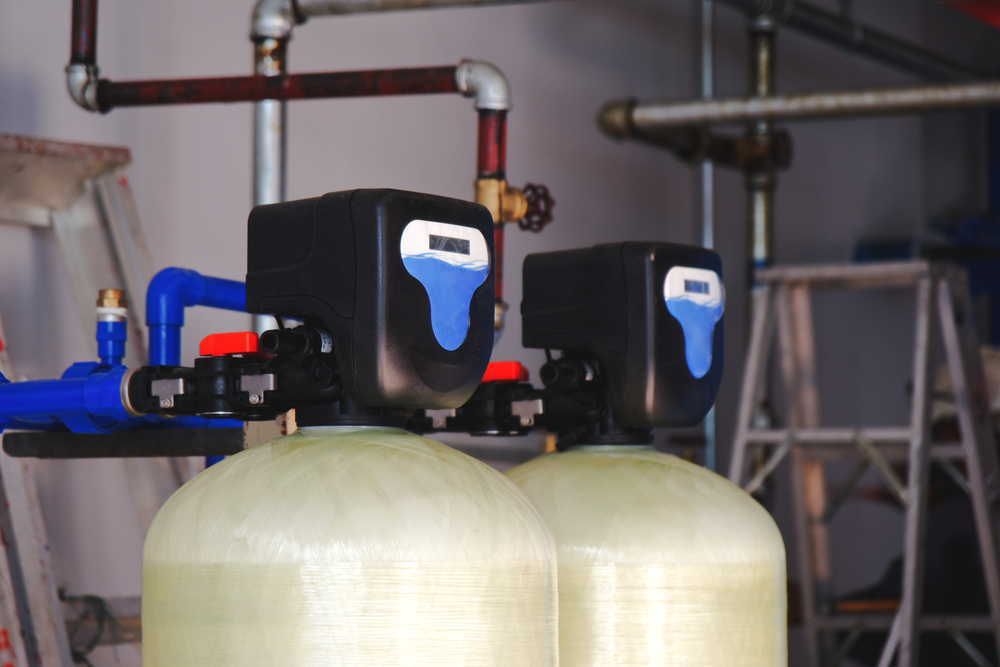
Water softeners specialize in one specific job: removing calcium and magnesium ions from incoming water through a process called ion exchange. The system passes water through resin beads coated with sodium ions, which trade places with the hardness minerals as the water flows through the tank. The result is water without the mineral content that causes scale buildup on fixtures, soap scum in showers, and white spotting on glassware after dishwashing. Softeners regenerate periodically by flushing the resin beads with salt solution, which is why these systems require ongoing salt replenishment and produce a small amount of waste water during each regeneration cycle. The technology has been refined across decades of residential use, with modern units operating reliably for 15 to 20 years when properly maintained.
2. Understanding what filtration systems actually do
Filtration systems address different concerns by removing physical and chemical contaminants from incoming water through various filter media. Carbon filters remove chlorine, chloramines, and many organic chemicals, along with the taste and odor problems these contaminants create. Sediment filters trap rust particles, sand, and other physical debris that can damage appliances and cause water to appear unpleasant. Reverse osmosis systems use semipermeable membranes to remove dissolved solids, heavy metals, and other contaminants that simple filters cannot effectively capture. UV systems eliminate bacteria and viruses by exposing water to ultraviolet light as it flows through the treatment chamber. Each filtration type addresses specific concerns rather than providing universal water-quality improvement.
3. The complete picture of treatment options for residential use
A practical look at whole-house water purifier systems reveals that the term encompasses a wide range of equipment configurations rather than referring to a single specific technology. True whole house systems typically combine multiple treatment stages including sediment pre filtration, carbon filtration, and sometimes additional specialty media targeting specific contaminants identified in the water testing report. Pricing for quality whole house systems runs $1,500 to $4,500 installed depending on the treatment stages included, the flow rates required for the household size, and the specific contaminants being addressed. Installation typically requires plumbing modifications near the main water supply entry point, with proper drainage and bypass valves added for maintenance access. Annual filter replacement and system maintenance costs range from $150 to $400, depending on the filter cartridges, and any salt or media replenishment required for ongoing operation.
4. Telling the difference between hardness and contamination problems
Understanding the differences between hard and soft water helps homeowners identify which problems they actually face before committing to any treatment investment. Hard water signs include white spots on glassware after dishwashing, soap that doesn’t lather properly during showering, mineral buildup on faucets and fixtures, and reduced efficiency of water heaters and dishwashers across years of operation. Soft water without proper filtration can still contain chlorine taste, organic chemicals from municipal disinfection, heavy metals from aging pipes, and sediment from various sources in the supply system. The two problems are completely independent, which means homes can have hard water with no other quality issues, soft water contaminated with other contaminants, or both problems requiring complementary treatment approaches. Get a comprehensive water test before any equipment purchase, as it identifies exactly which problems need solutions rather than guessing based on symptoms.
5. The practical decision framework for choosing the right system
Several specific factors determine whether softening, filtration, or a combination approach makes sense for any particular home situation. Households with municipal water typically receive disinfection treatment but may experience hardness due to local geological conditions, which often makes both treatment categories relevant. Well water households face different challenges, including bacteria, sediment, and dissolved minerals that municipal systems address before delivery to homes. Health concerns, including specific contaminants identified through testing should drive filtration decisions rather than general assumptions about water quality. Cosmetic and appliance concerns, including scale buildup, soap interaction, and fixture longevity drive softening decisions independent of any health considerations. Run the cost benefit analysis honestly against your specific situation rather than accepting universal recommendations from sales presentations.
Conclusion
Choosing between softeners and filtration systems comes down to identifying the actual problems in your water supply rather than responding to marketing pressure about hypothetical concerns that may not affect your specific situation. Comprehensive water testing reveals exactly which issues exist, allowing focused treatment investments that solve real problems rather than blanket equipment purchases that may not deliver expected value. Some homes need softening alone, others need filtration alone, and many benefit from complementary systems that address both categories. Take the time to test the water properly, evaluate the results carefully, and choose equipment that matches the actual problems identified rather than maximum equipment investment.
“Hard water spots, chlorine taste, scale buildup. Call Doyle Plumbing at 720-638-8839 today. Our team will test your water and recommend the right fix.”
FAQs
Q1: Do homeowners in Denver, CO, typically need both softening and filtration systems?
Many homes in this market benefit from both systems, since the local water supply contains hardness minerals and chlorine from municipal disinfection. Comprehensive water testing identifies exactly which problems exist, allowing focused investment in the treatment categories that match the actual conditions.
Q2: How much do water treatment systems typically cost in Colorado?
Quality water softener installations run $1,200 to $2,500 in this market, while comprehensive filtration systems range from $1,500 to $4,500 depending on the treatment stages included. Combined systems addressing both softening and filtration typically run $2,800 to $6,500 for complete whole house installations.
Q3: When should homeowners in Boulder, CO, get their water tested?
Test the water before any equipment purchase, after any noticeable changes in taste or appearance, and every two to three years on an ongoing basis. New well installations require initial testing and periodic monitoring throughout the years of property ownership.