
Older residential homes can be charming and full of character, but the plumbing systems in them often give tell-tale signs of aging. Pipes, fixtures, and connections installed decades ago simply were not designed for today’s demands. A structured approach to plumbing system troubleshooting helps a homeowner to recognize early warning signs, fathom common failures, and undertake informed action before minor problems turn into major repairs.
1. Ages of Pipes and Material Issues
Many homes remain with galvanized steel, cast iron service, and old copper piping. These types of materials eventually corrode internally and reduce the flow of water, weakening the walls of the pipes.
Rust and thin metal can create leaks that may go unnoticed or without warning, making routine checks all the more important. It helps to understand what pipe materials are on hand when determining whether repairs or partial replacements are the safest option.
2. Low Water Pressure Problems
One very common complaint in older houses is reduced water pressure. It is usually associated with mineral buildup or narrowing of pipes. The fixtures may also perform poorly even though the supply is technically adequate.
Sometimes, these pressure drops are confined to small areas, but at other times they indicate general pipe deterioration. A licensed plumber in Parker, CO, can determine if the problem is one of internal corrosion or an external supply limitation.
3. Frequent Issues with the Toilet and Drains
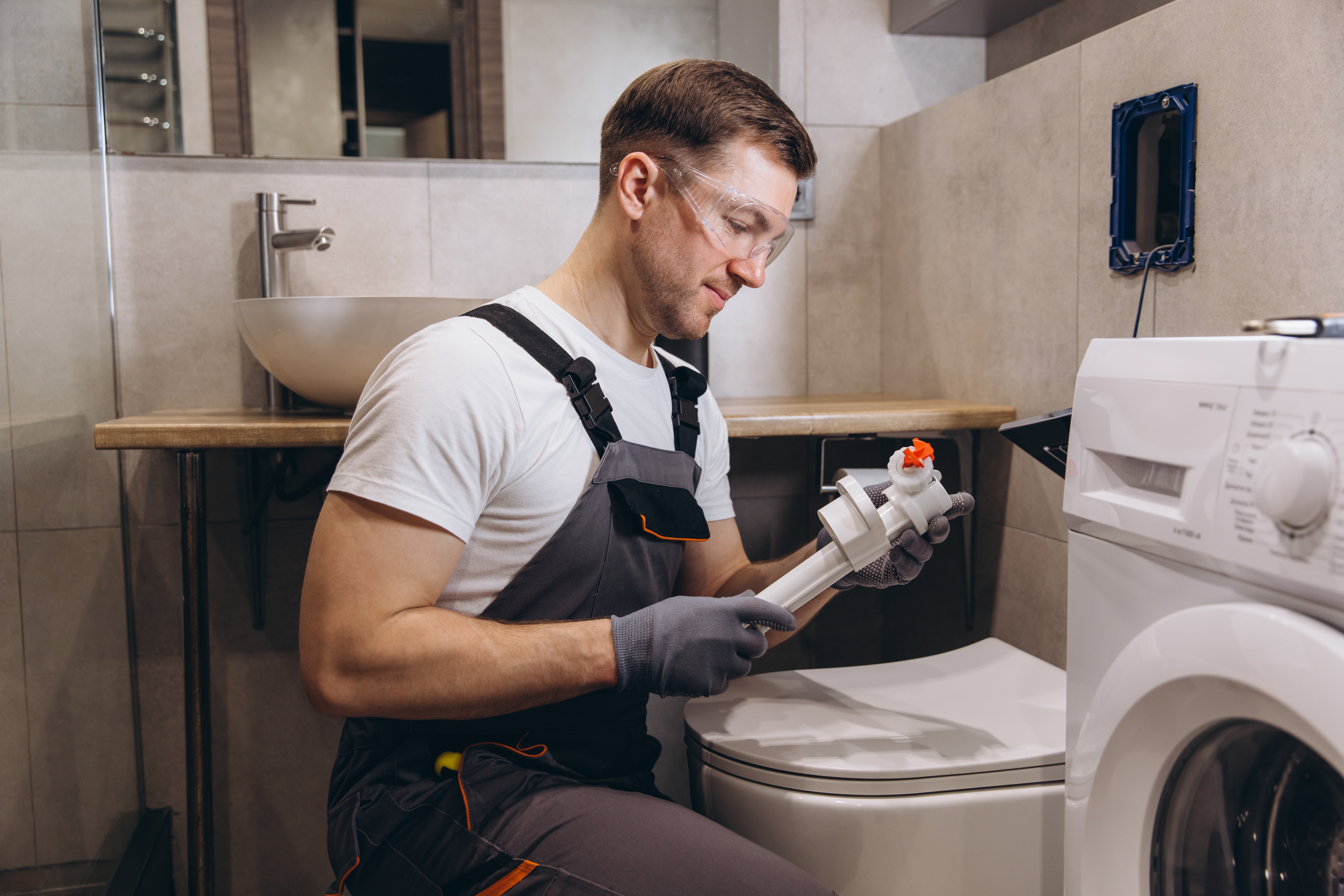
Older plumbing layouts may not be suitable for modern-day water usage, which causes the lines to clog or drain slowly frequently. One of the most common areas in which problems occur is the toilets, which can easily have worn seals, old flushing mechanisms, or poor venting.
The toilet services ensure that appropriate functionalities are restored to the toilets while minimizing hazards of overflows that may result in floor and substructure damage.
4. Hidden Leaks Behind Walls and Floors
Small leaks in older systems usually occur behind walls or beneath flooring, going undetected until the damage starts to appear. Stains and warped surfaces are common indicators; so are musty odors.
These secret problems can be brought out through regular inspections and moisture detection. Quick fixes after detection will prevent loss of structural materials and mold growth, which may spread rapidly.
5. Water Heater Connections and Performance
Water heaters in older homes may be connected to aging supply lines, which are more apt to fail. Sediment accumulation can also put stress on both the heater and nearby valves.
Many homeowners who are just starting to look for water heater repair near me have found that leaks and inefficiencies are actually due to outdated connectors, not the unit itself, which makes a comprehensive evaluation of paramount importance.
6. Pipe Expansion and Temperature Stress
Seasonal changes in temperature continue to put added stress on the plumbing system of older homes. Without the benefits of modern insulation, pipes expand and contract more dramatically, thereby increasing their risk of developing cracks or joint failures.
This can eventually lead to sudden leaks or full breaks. Proactive insulation and reinforcement reduce vulnerability during extreme weather conditions.
7. Risks of Emergencies from Sudden Failures of Pipelines
Older pipes, especially when their internal structure has been weakened by corrosion, can fail without warning. A sudden rupture can release large volumes of water in minutes.
It is in situations like these that access to reliable burst pipe services becomes imperative. Speedy response limits property damage and reduces recovery time.
8. Plan Preventive Maintenance and Upgrades
Preventive maintenance is especially important for aging plumbing systems. Regular assessments enable homeowners to plan repairs in a graduated manner, rather than simply reacting to emergencies.
Increasing the life of a plumbing system, along with efficiency and reliability in the whole house, can be achieved by upgrading key sections of piping, replacing worn-out valves, and modernizing fixtures.
Conclusion
Plumbing systems in older residential homes require thoughtful evaluation and consistent care. Understanding common trouble spots helps homeowners recognize issues early and prioritize repairs effectively. With regular inspections and timely upgrades, aging systems can continue to function reliably. A good way to reduce unexpected breakdowns, while protecting comfort and property value, is to be proactive.
CTA:
Protect your older home from hidden plumbing failures with trusted local expertise. Doyle Plumbing delivers reliable inspections and repairs. Call 720-638-8839 today to schedule professional service.
FAQ’s
1. What plumbing problems are most frequently associated with older homes?
The most common complaints include corroded piping, low water pressure, concealed leaks, and antiquated fixtures.
2. Plumbing systems in older homes should be inspected how often?
Annual inspections are recommended, supplemented by additional checks after any noticeable variation in pressure or water quality.
3. Can partial pipe replacement improve plumbing reliability?
Yes, it can massively reduce leaks and increase the overall life expectancy of the system by just replacing the high-risk sections.