
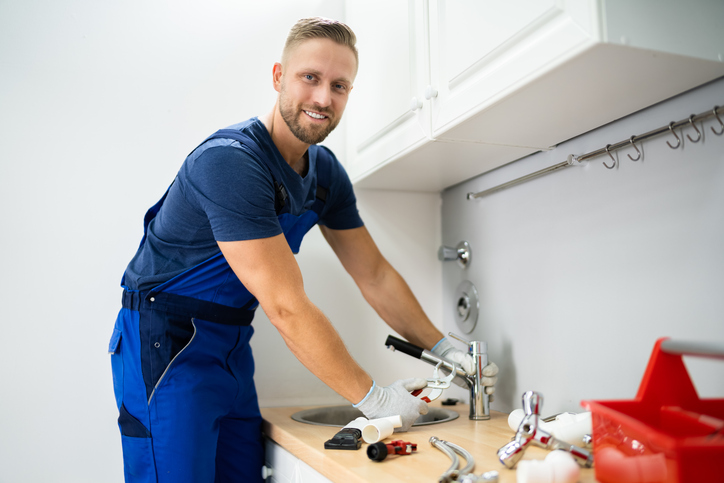
Licensed plumbers do far more than fix drips; they protect your home’s health and safety by following codes, installing systems correctly, and preventing damage before it starts. When homeowners search for a licensed plumber near me, they’re often looking for someone who can diagnose complex problems, secure permits, and stand behind their work.
What “licensed” actually means
A license proves a plumber has completed training, passed exams, and met local code and insurance requirements, which reduces risk for homeowners and ensures work meets safety standards. Hiring someone without a license may save money up front, but often results in failed inspections, voided warranties, or unsafe installations.
Core services a licensed plumber provides
Licensed plumbers install and replace fixtures such as toilets, faucets, and water heaters, and they perform pipe routing and venting to code for safe operation. They also handle complex tasks like sewer line replacement and water service upgrades, which require permits and inspection sign-offs.
Diagnostics and troubleshooting
When a leak, low pressure, or sewage backup occurs, licensed plumbers use diagnostic tools, such as video cameras, pressure gauges, and leak-detection equipment, to find the root cause quickly. That precision reduces needless tear-out and targets the actual failing component rather than treating symptoms.
Emergency response and safety work
Plumbing emergencies often involve contamination risks or structural damage; licensed plumbers are trained to secure hazards, stop contamination, and restore safe conditions fast. They also know how to shut off mains, isolate fixtures, and cooperate with electricians and HVAC techs when multiple trades are involved.
When to call a licensed plumber
When determining whether to call a pro, several factors influence the decision.
a. Complexity of the job
Simple fixture swaps or tightening a loose connection are often DIY-friendly, but anything involving gas lines, water-service taps, or hidden pipes should be left to licensed professionals. Attempting complex work can create leaks, carbon monoxide hazards, or code violations that are expensive to repair.
b. Need for permits or inspections
If your project requires permits, rough-ins for remodels, water-main relocation, or new appliance installations, a licensed plumber will file the paperwork and pass inspections for you. Unpermitted work can lead to fines, insurance refusals, and problems when selling your home.
c. Sewage, backflow, and health risks
Sewer backups, cross-connection hazards, and failed backflow preventers pose direct health risks and require certified technicians trained in sanitary controls and containment. These are never appropriate DIY jobs.
d. System upgrades and efficiency gains
Installing a high-efficiency water heater, tankless system, or pressure-regulation devices involves system-wide considerations; licensed plumbers match equipment to demand and code. Proper sizing and venting also prevent inefficiency and premature failure.
e. Long-term cost vs short-term savings
A licensed plumber’s work costs more initially but reduces callbacks, emergency repairs, and the potential need to replace incorrect work later. Think of the licence as insurance: you pay for competence and accountability.
Preventive maintenance and inspections
Licensed plumbers offer annual inspections, drain cleaning, and water-quality testing that catch small problems before they become major expenses. Routine maintenance also preserves warranties on equipment and helps homeowners budget for predictable replacements.
Permits, codes, and liability protection
Local codes exist to protect occupants and infrastructure; licensed plumbers are required to follow them and to pull permits where needed. Using a licensed pro protects you from liability if something goes wrong and provides documentation for insurance or sale.
How plumbers collaborate with other trades
Major projects often require coordination between plumbers, electricians, and HVAC technicians to maintain system compatibility and safety. Licensed plumbers understand electrical clearances for water heaters and the mechanical requirements for venting, which prevents cross-trade mistakes.
Choosing the right licensed plumber
Look for clear proof of licensing, insurance, references, and a written estimate that breaks down parts, labor, and permit costs. Ask about warranty coverage, how they handle unforeseen issues, and whether they provide before-and-after documentation for inspections.
Cost expectations and transparency
Licensed plumbers usually charge for diagnostic visits, hourly labor, and parts, and complex jobs may include permit and inspection fees. A transparent quote helps avoid surprises. Always ask for an itemized invoice and keep documentation for warranty and resale value.
Conclusion
A licensed plumber protects your home’s safety, complies with local codes, and saves you money and stress over time by getting work done right the first time. For complicated repairs, gas or sewer work, or any job requiring permits, calling a licensed professional is the smart choice.
Need help you can trust? Contact a licensed professional from Doyle Plumbing at 720-638-8839 today for a site visit and a clear, written estimate.
FAQs
How quickly can a licensed plumber respond to an emergency in Highlands Ranch, CO?
Response times vary by company and time of day, but many licensed plumbers offer same-day emergency service and will prioritize hazardous calls. If you live in Highlands Ranch, CO, ask about guaranteed response windows and emergency fees when you book.
What should I ask before hiring a licensed plumber in Highlands Ranch, CO?
Confirm their license number, insurance, warranty terms, and whether they’ll pull required permits; request references for similar jobs and get a detailed written quote. For residents of Highlands Ranch, CO, local reviews and municipal permit records can verify credibility quickly.
Can a licensed plumber handle gas appliance installations and certification?
Yes, only licensed technicians should connect gas lines or certify appliance venting because of the safety risks and code requirements. Always request proof of specific gas certification and confirm the installer will supply the necessary inspection documentation.