
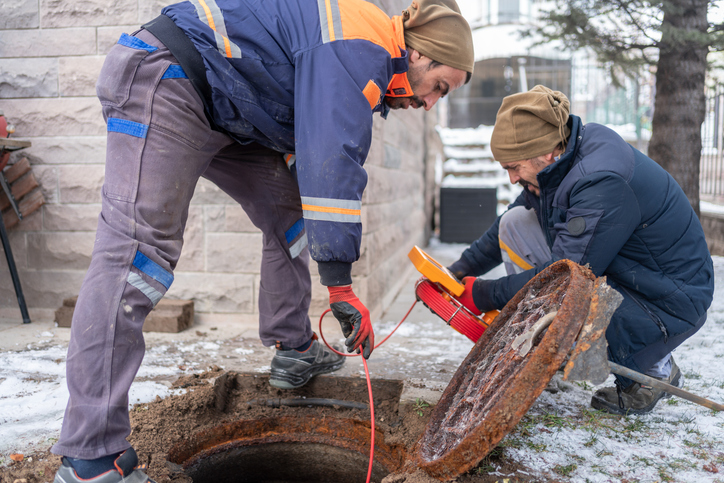
A professional drain cleaner plumber approaches plumbing problems with a system-wide perspective rather than simply removing a visible blockage. By examining the entire drainage network, plumbers identify root causes that lead to recurring clogs, slow drains, and hidden pipe damage. This comprehensive approach helps restore proper flow, extend pipe life, and prevent repeated plumbing emergencies that often result from quick fixes.
Why System-Level Cleaning Matters
Drain issues rarely originate at a single point in the system. In many cases, buildup, debris, or structural problems develop gradually throughout the pipe network. System-level cleaning ensures that the entire drainage line is evaluated and restored, rather than focusing only on the immediate blockage. This approach prevents repeated service calls and improves the overall reliability of your plumbing system.
- Removes buildup throughout pipe runs, not just at the visible blockage.
- Identifies upstream problems such as corrosion, scale accumulation, or pipe damage.
- Reduces the likelihood of recurring clogs that cause frequent plumbing disruptions.
- Helps protect plumbing fixtures and appliances by restoring normal water flow.
Common Plumbing Issues Hidden Inside Drain Systems
Many homeowners assume a clogged drain is a simple surface problem. However, experienced plumbers understand that underlying structural or environmental factors often contribute to persistent drainage issues. A thorough inspection of the entire system helps uncover these hidden problems before they develop into larger and more expensive repairs.
- Tree roots are entering sewer lines and restricting water flow.
- Grease buildup and mineral deposits are narrowing pipe interiors.
- Pipe misalignment or sagging sections that trap debris.
- Aging pipes are developing corrosion or internal cracks.
Specialized Tools Used by a Drain Cleaning Expert
Professional plumbers rely on specialized diagnostic and cleaning equipment to evaluate the full condition of drainage systems. These advanced tools allow them to locate hidden blockages, remove stubborn buildup, and verify that pipes are functioning properly. Using the right equipment ensures long-lasting results rather than temporary solutions.
- Camera inspections that allow plumbers to see inside pipes and locate obstructions.
- Hydro jetting systems that remove grease, sludge, and mineral scale from pipe walls.
- Mechanical drain augers that break through solid clogs.
- Diagnostic tools that confirm proper flow after cleaning is completed.
Why Accurate Diagnosis Saves Time and Money
A systematic diagnostic process helps plumbers determine the true cause of drainage problems before beginning repairs. Instead of guessing or applying temporary fixes, professionals evaluate the entire system and develop a targeted plan that addresses the root issue. This strategy prevents unnecessary repairs and ensures effective long-term results.
- Identifies the exact location and severity of blockages.
- Helps prioritize repairs based on urgency and risk.
- Prevents repeated service calls caused by incomplete fixes.
Preventive Maintenance After System Cleaning
Once the drainage system is thoroughly cleaned, preventive maintenance helps keep pipes functioning properly. Regular maintenance and monitoring allow homeowners to avoid severe blockages and plumbing emergencies. A proactive maintenance approach also extends the lifespan of pipes and improves overall system efficiency.
- Schedule periodic professional drain inspections.
- Avoid disposing grease, oils, or food waste in sinks.
- Install drain strainers to catch debris and hair.
- Monitor slow drainage and address problems early.
When a Quick Fix May Not Be Enough
While minor clogs can sometimes be resolved with simple tools, recurring or widespread drainage problems usually require professional attention. Recognizing when a plumbing issue goes beyond a quick fix can prevent more serious complications and costly repairs in the future.
- Multiple drains clogging simultaneously in the home.
- Persistent slow drainage despite repeated cleaning attempts.
- Sewage odors or gurgling sounds coming from pipes.
- Frequent backups occurring within short time periods.
Choosing the Right Plumbing Professional
Selecting an experienced plumbing professional is essential when dealing with persistent drainage problems. A knowledgeable plumber evaluates the full plumbing system and provides solutions designed for long-term performance rather than temporary relief. Choosing the right professional ensures reliable results and greater peace of mind.
- Look for plumbers experienced in system-wide drain inspections.
- Choose companies that use modern diagnostic equipment.
- Request clear explanations of recommended repairs or cleaning methods.
- Verify professional licensing, insurance, and customer reviews.
Conclusion
Drainage issues often indicate deeper plumbing problems that cannot be solved by simple surface fixes. A skilled plumbing expert focuses on the entire drainage system to identify underlying causes and restore proper flow. This comprehensive approach reduces recurring clogs, protects pipes, and prevents expensive plumbing emergencies.
Eliminate recurring drain issues with expert care from Doyle Plumbing. Call 720-638-8839 today for thorough inspections and long-lasting drain solutions that restore proper flow and protect your plumbing system.
FAQ’s
How do I know if I need a drain cleaning expert in Centennial, CO?
If you experience repeated clogs, slow drainage, gurgling sounds, or unpleasant sewer odors, it may indicate deeper pipe buildup. A drain cleaning plumbing expert in Centennial, CO, can inspect and clean the entire system to restore proper flow.
Why do drains keep clogging even after using store-bought cleaners?
Chemical cleaners often remove only part of the blockage and may leave grease, scale, or debris behind. Professional cleaning addresses the entire pipe system, preventing recurring clogs and long-term damage.
What methods do professionals use to clean drains in Centennial, CO?
Professional plumbers in Centennial, CO, commonly use techniques such as drain snaking, hydro jetting, and camera inspections. These methods remove stubborn buildup and help identify underlying pipe problems that cause repeated blockages.
How often should household drains be cleaned?
Most homes benefit from drain line cleaning every one to two years. However, properties with older pipes, heavy usage, or frequent clogs may require more regular maintenance.