Why Sewer Line Backups Are a Serious Home Plumbing Issue

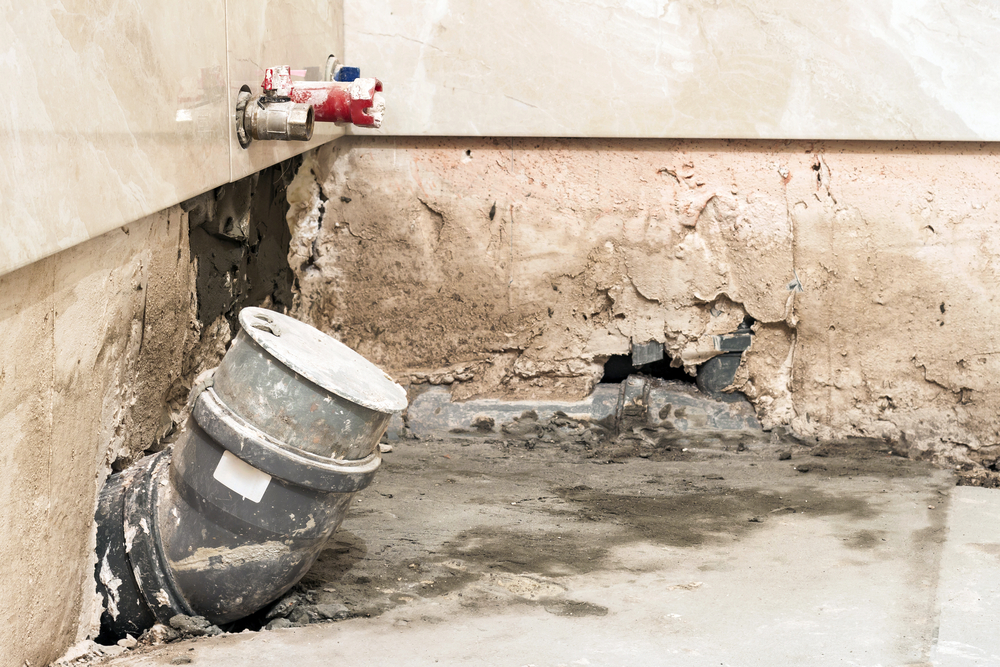
A sewer line backup is more than an inconvenience. It is a major plumbing failure that can impact your home’s safety, sanitation, and structural integrity. When wastewater has nowhere to go, it can overflow into sinks, tubs, floor drains, or even basements, creating health risks and expensive cleanup situations.

Homeowners often feel caught off guard by backups because sewer lines operate out of sight. Problems develop underground or behind walls for years before symptoms appear. Understanding how sewer systems work and why backups happen is the first step toward prevention and informed decision-making.

At Doyle Plumbing, homeowners frequently ask why backups seem to happen suddenly. In reality, they are usually the sewer line backups include long-term stress on the sewer system rather than a single event.

How a Home Sewer Line System Works

Your sewer line is responsible for carrying wastewater away from your home and into the municipal sewer system or septic connection. Every drain in your home, sinks, toilets, showers, laundry, feeds into this single pipeline.

Gravity plays a major role in moving waste efficiently. When the line remains clear, wastewater flows freely. When blockages, damage, or overload occur, pressure builds, and forces waste back toward the home instead of away from it. Because the sewer line serves the entire home, a failure affects multiple fixtures at once.

The Most Common Sewer Line Backup Causes Homeowners Face

Many homeowners search for answers when facing backups, but the issue is rarely simple. Backups typically result from a combination of aging infrastructure, misuse, and environmental factors rather than one mistake.

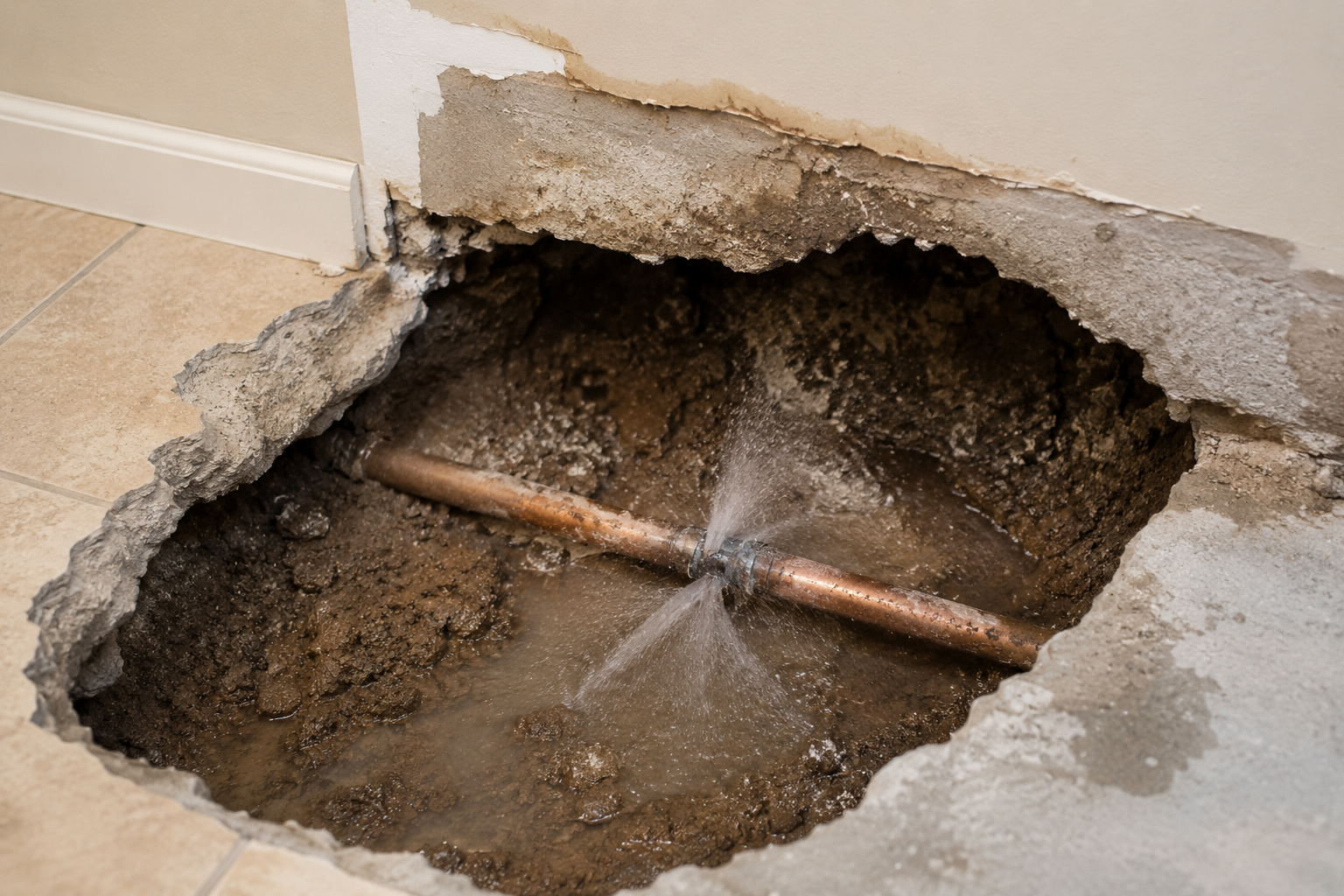
Tree root intrusion is a leading cause. Roots naturally seek moisture and can enter sewer lines through tiny cracks, eventually creating severe blockages. Grease buildup is another major contributor, as fats solidify inside pipes and trap debris. Collapsed or offset pipes, often found in older homes, restrict flow and worsen over time.

Early Warning Signs of a Sewer Line Backup

Sewer backups usually provide warning signs before a full overflow occurs. Slow-draining sinks, frequent toilet clogs, and gurgling sounds from drains indicate restricted flow. Foul odors near floor drains or outside cleanouts often signal trapped waste.

Multiple fixtures backing up at the same time is a strong indicator of a main sewer line issue rather than an isolated drain problem. Addressing these symptoms early can prevent extensive water damage and health hazards.

How Household Habits Contribute to Sewer Line Stress

Everyday actions inside the home can gradually stress the sewer system. Flushing non-degradable items such as wipes, paper towels, and hygiene products creates blockages that don’t break down like toilet paper. Pouring grease or food waste down drains accelerates buildup inside pipes.

Even excessive water use during peak times can overload aging sewer lines. Over time, these habits compound existing weaknesses in the system, increasing the risk of backups.

Structural and Environmental Factors That Increase Risk

Beyond household behavior, structural and environmental conditions also play a major role. Older sewer pipes made from clay or cast iron are more susceptible to cracking and collapse. Shifting soil, ground movement, and heavy rainfall can cause misalignment or intrusion.

In some neighborhoods, municipal sewer systems become overwhelmed during storms, pushing excess water back toward homes. Understanding both private and public system limitations helps homeowners plan effective prevention strategies.

Sewer Line Backup Causes Compared by Severity and Impact

Understanding the difference between causes can help homeowners prioritize solutions. The table below outlines common causes, risk level, and recommended action.

Cause

Risk Level

Typical Impact

Recommended Action

Tree root intrusion

High

Repeated backups

Professional root removal

Grease buildup

Medium

Slow drains

Hydro jetting

Pipe collapse

Critical

Complete blockage

Sewer line replacement

Improper flushing

Medium

Localized clogs

Usage correction

Heavy rainfall

Variable

Temporary backup

Backflow prevention

This comparison shows why professional diagnosis is critical. Notably, different causes require very different solutions.

Why Professional Sewer Line Inspections Matter?

Homeowners often attempt surface-level fixes such as plunging or chemical cleaners, but these methods don’t address the main sewer issues. Professional inspections use camera technology to identify blockages, cracks, root intrusion, and pipe misalignment deep within the system.

Accurate diagnosis prevents unnecessary repairs and ensures the correct solution is applied. Early inspections can save homeowners thousands by preventing emergency situations.

Preventive Steps Homeowners Can Take

Preventing backups starts with awareness and maintenance. Scheduling periodic inspections, especially for older homes, helps detect early damage. Avoid flushing anything other than toilet paper and keep grease out of drains.

Installing backwater valves and maintaining proper yard drainage can also reduce the risk of backups during storms. Prevention is always more cost-effective than emergency repair.

Why Choose Doyle Plumbing?

Choosing the right plumbing professional makes all the difference when sewer issues arise. Doyle Plumbing provides trusted expertise and long-term solutions for homeowners facing sewer system concerns.

Here are some reasons why homeowners choose us:

Our experience allows us to identify the true cause, not just the symptoms of sewer line problems.

Conclusion

Sewer backups rarely happen without warning, but their causes are often misunderstood. From aging infrastructure to everyday household habits, multiple factors contribute to system failure over time. Understanding how sewer systems function and recognizing early signs empowers homeowners to act before damage occurs.

With professional support from Doyle Plumbing, homeowners gain clarity, confidence, and lasting protection against future sewer issues.

If you’re experiencing slow drains, recurring clogs, or signs of a sewer backup, don’t wait for the problem to escalate. Contact our experienced professionals at Doyle Plumbing at 720-638-8839 today to schedule a professional sewer line inspection and protect your home from costly damage.

FAQs

Sewer backups often feel sudden, but they usually result from long-term buildup or hidden pipe damage. Tree roots, grease accumulation, and aging pipes slowly restrict flow over time. A backup occurs once the line becomes fully blocked or overwhelmed.

If multiple drains or toilets back up at the same time, the issue is likely in the main sewer line. Isolated clogs usually affect only one fixture. Professional inspections confirm the source accurately.

While no system is immune, regular inspections, proper usage habits, and early repairs greatly reduce risk. Preventive maintenance is the most effective way to avoid emergency sewer failures.

Get Estimate Now

Once you submit, we may reach out to you via phone, email, or text to fetch information, which you can opt out of at any time. We will never share your personal information with third parties for marketing purposes. Consent is not a condition of purchase. Message/data rates apply.

Terms and Conditions | Privacy Policy.

Service Areas

REVIEWS

What Our Clients Are Saying About Us

BLOG

You Can Count On Us

WHAT ARE YOU WAITING FOR?

SCHEDULE
AN APPOINTMENT
TODAY!