

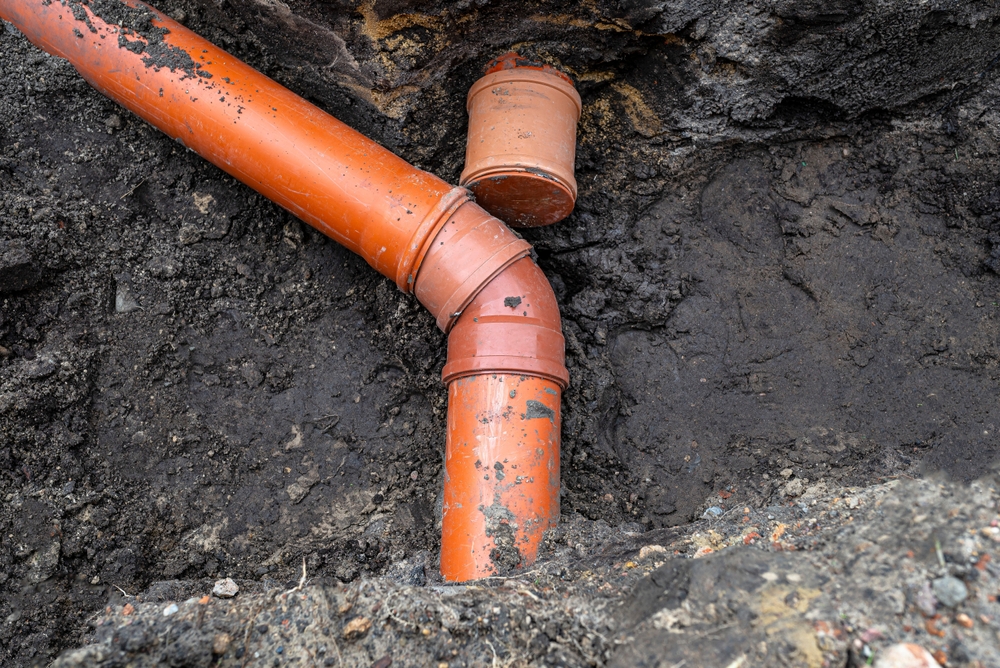
It’s easy to focus on what you can see in your yard and forget about what lies underneath. A growing tree, shifting soil, or added landscaping can slowly affect buried pipes, leading to the need for underground sewer repair in Parker, CO. Since everything happens below ground, problems can develop for years without obvious signs. By the time a sewer line breaks, the lawn may still look healthy and untouched from the surface.
1. The Quiet Way Yard Projects Cause Damage
Nobody at the garden center warns you about this. When you change things on top, you change the water and weight underneath, and a pipe buried four to six feet down feels all of it. The guilty parties look completely innocent:
- A raised bed that holds water right over the line.
- A patio or stone wall pressing down on the soil.
- A young tree planted too close, roots sniffing out moisture.
And it happens in total silence, a slow squeeze, season after season, until a tiny crack becomes a real break. The grass stays lush the whole way through, which is why folks never see it coming. By the time the toilet gurgles, that line has been failing for years.
2. Why The Camera Goes In First
You can’t fix what you can’t see. Simple as that. So before anyone touches a shovel, a good plumber starts with a sewer line inspection, feeding a small waterproof camera down the pipe and watching it live on a screen. A few minutes in, the mystery is gone. Here’s what shows up:
- Cracks and splits running along the pipe wall.
- Roots that have shoved through the joints.
- Low spots, called bellies, where waste pools and clogs.
Catch it this early, and you might get a small spot fix instead of a wrecked yard. Skip it, and you’re guessing with a backhoe. The camera trades a wild guess for a clear answer you can see.
3. What Decides How Big The Job Gets
Everybody wants the number first, and honestly, I get it. The truth is the underground sewer repair cost rides on a few things, and most stay hidden until someone looks. How deep the pipe sits matters a ton. So does the length of the broken stretch, and if the crew can reach it without ripping up the whole yard. A shallow crack is a different animal than a line snapped under a heavy patio. That’s why the camera goes in first. Once you see the true shape of the damage, you quit paying for guesswork and start fixing what’s actually broken.
4. Patch It Up Or Pull It Out
This is where people freeze and stall. The whole sewer repair vs sewer replacement question comes down to one thing: how much of that pipe is still worth saving. One clean crack from a single root? A targeted patch usually does the trick. But a line cracked in three places, made of old brittle clay, and sagging in the middle is a losing bet to keep patching forever. At that point, a full swap, often done now with barely any digging, buys you decades of quiet instead of a fix you’ll redo next winter. A solid plumber gives it to you straight, then shows you the footage to prove it.
5. The Check To Make Before You Buy
Falling hard for a house with big shady trees and a postcard yard? Gorgeous. Also a gamble hiding under the grass. A plumbing inspection before buying a home is the cheapest peace of mind money can buy, because that camera reaches spots a regular home inspection never checks. Most sellers have no idea their own line is failing. That handsome wall the last owner built? It may have leaned on the pipe for years. A short scope now can save you from a brutal surprise, and hand you leverage at the negotiating table.
Little yard changes are sneaky things. The wall, the tree, the raised bed, none of them feel like a threat, yet each one leans on a pipe that was never built to wrestle roots and weight at once. The damage builds so slowly it catches nearly everyone off guard. So before you assume all is well down there, get a camera on it. See what’s really happening, ask if a patch or a full swap fits your case, and never skip the check when you’re buying. A little curiosity today beats a flooded basement tomorrow.
“Tiny yard changes, big pipe headaches? Doyle Plumbing scopes the line and fixes it right the first time. Call us now at 720-638-8839 before it spreads.”
FAQs
1: How do tree roots in Parker, CO sneak inside a buried pipe?
They chase the moisture leaking from the smallest joint gap, then widen it as they grow. In Parker, CO, mature trees planted close to a buried line are one of the biggest reasons homeowners end up with a collapsed run under the yard.
2: Is a camera scope worth it for an older home in Parker, CO?
Yes, especially if the place still has decades-old clay pipe. A short scope in Parker, CO, shows you the real shape of the line, so you can plan ahead instead of getting blindsided after you move in.
3: Can backyard landscaping really hurt my plumbing in Parker, CO?
More than most folks expect. Heavy patios, stone walls, and trees planted too close all press on the line, and across Parker, CO, that slow pressure turns into cracks and bellies down the road.