

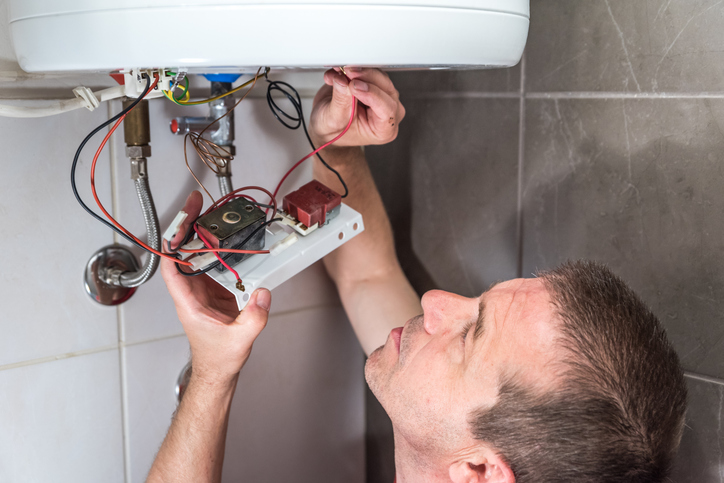
A reliable water heater failure solution goes beyond replacing a malfunctioning unit. Many water heater problems originate from system-wide issues such as plumbing pressure, sediment buildup, or improper installation. Addressing the entire hot water system helps identify root causes that lead to frequent breakdowns. By focusing on the overall system instead of just the appliance, homeowners can prevent recurring failures, reduce repair costs, and improve long-term performance.
Why Water Heater Failures Often Indicate System Problems
Water heater breakdowns are rarely caused by a single defective component. In many cases, hidden plumbing or environmental factors affect how efficiently the unit operates. Evaluating the entire system allows technicians to identify underlying conditions that place stress on the water heater and shorten its lifespan.
- Excessive water pressure causes strain on internal components.
- Sediment buildup inside the tank reduces heating efficiency.
- Improper installation or incorrect pipe connections.
- Aging plumbing systems contribute to corrosion and leaks.
Key Factors That Affect Water Heater Performance
Several system conditions influence how well a water heater operates. When these factors are overlooked, the appliance may fail prematurely even if the unit itself is relatively new. Identifying these elements helps ensure the water heater functions efficiently for many years.
- Hard water minerals are creating scale buildup inside the tank.
- Inconsistent water pressure is affecting heating cycles.
- Improper venting in gas water heaters leads to reduced performance.
- Electrical supply problems are impacting heating elements.
Common Signs of System-Level Water Heater Issues
Homeowners often notice warning signs before a water heater completely fails. Recognizing these symptoms early can prevent serious damage and costly replacements. When these indicators appear repeatedly, they often suggest deeper system-related problems rather than a simple equipment defect.
- Inconsistent hot water temperature or sudden cold water bursts.
- Unusual noises such as rumbling or popping from the tank.
- Rust-colored water is coming from hot water faucets.
- Water pooling around the heater or visible leaks.
Diagnostic Steps Professionals Use to Identify the Root Cause
Professional plumbers use a systematic inspection process to determine why a water heater is failing. Rather than replacing parts immediately, they evaluate surrounding plumbing components and operating conditions. This approach ensures the real problem is addressed instead of temporarily masking symptoms.
- Inspecting pressure levels and temperature settings.
- Checking pipes, valves, and connections for damage or corrosion.
- Flushing the tank to evaluate sediment accumulation.
- Testing heating elements or gas burners for proper operation.
Preventive Maintenance That Protects Your Water Heater System
Routine maintenance is essential for keeping water heaters functioning properly and preventing unexpected breakdowns. Regular inspections and small adjustments can significantly extend the lifespan of the appliance while maintaining energy efficiency and a reliable hot water supply.
- Schedule annual professional inspections and flushing.
- Install water softeners if your home has hard water issues.
- Monitor pressure relief valves and expansion tanks.
- Adjust thermostat settings to maintain safe operating temperatures.
When Replacement May Be the Best Solution
Although many water heater problems can be repaired, some situations require replacing the unit entirely. When a water heater reaches the end of its service life or develops severe internal damage, replacement may be the most cost-effective and reliable option.
- Water heaters older than 10–12 years are showing signs of deterioration.
- Severe corrosion inside the tank is leading to leaks.
- Repeated repairs that exceed the cost of a new unit.
- Inefficient units are causing rising energy bills.
Conclusion
Addressing water heater issues requires looking beyond the appliance itself. A comprehensive water heater repair solution evaluates the entire plumbing system to determine what is causing the failure. By identifying system-related factors such as pressure problems, sediment buildup, or installation issues, homeowners can avoid repeated breakdowns and maintain dependable hot water.
Restore reliable hot water with expert help from Doyle Plumbing. Call 720-638-8839 today for professional inspections and lasting solutions that address water heater problems at the system level, not just quick fixes.
FAQs
1. What causes frequent water heater failures in Highlands Ranch, CO?
Frequent failures often result from sediment buildup, excessive water pressure, hard water minerals, or aging plumbing components. Addressing these system-level issues helps prevent repeated breakdowns in Highlands Ranch, CO.
2. How often should a water heater be serviced?
Most experts recommend annual maintenance, including tank flushing and system inspection, to remove sediment and ensure the heater operates efficiently.
3. Can sediment buildup damage a water heater in Highlands Ranch, CO?
Yes, over time, minerals in the water settle at the bottom of the tank, creating a layer of sediment that reduces heating efficiency and can eventually damage the tank in Highlands Ranch, CO.
4. How long does a typical water heater last in Highlands Ranch, CO?
Traditional tank water heaters in Highlands Ranch, CO, typically last between 8 and 12 years, depending on maintenance, water quality, and system conditions.
5. When should I replace my water heater instead of repairing it?
If the unit is over 10 years old, requires frequent repairs, or has significant corrosion or leaks, replacement is often the most practical long-term solution.