
Water bills usually arrive without much drama, settling into a predictable monthly rhythm that homeowners stop paying close attention to after a few years of ownership. Then comes the bill that arrives nearly double the previous month’s, with no explanation anyone in the household can reasonably point to. Most folks asking themselves, “Why is my water bill so high?” are standing in the kitchen, holding that surprise bill, doing the mental math on how a quiet month at home could have produced 12,000 gallons of water. The honest answer almost always traces back to a hidden leak somewhere in the system, since household water use rarely jumps that dramatically without an underlying cause feeding the increase. Some leaks announce themselves loudly with visible damage, while others run quietly for weeks or months before anyone notices the financial consequence. The next sections walk through the systematic approach to finding hidden leaks, identifying where they typically live, and resolving the situation before the next bill arrives even higher.
1. The simple meter test that confirms a leak exists
Start any leak investigation with a meter test that confirms whether water is actually moving through the system when nothing should be running. Find the water meter, typically located in a curbside box near the street or sometimes inside the house in older properties, and note the current reading. Shut off all water using appliances in the house, including ice makers, water softeners, and any automatic systems that draw water on schedules. Wait 2 to 3 hours without using any water in the home, then check the meter reading again. Any difference between the two readings confirms that water is moving somewhere in the system, indicating a leak between the meter and the household fixtures. This single test eliminates guesswork and gives clear confirmation before deeper investigation begins.
2. The most common leak locations homeowners typically miss
Once a leak is confirmed through the meter test, focus the investigation on the locations where hidden leaks are most likely to develop in residential systems. Toilet flapper failures account for the largest single category of hidden household leaks, since worn flappers allow water to flow continuously from the tank to the bowl at rates of up to 200 gallons per day per affected toilet. Faucet drips that occur only at specific water pressure levels often hide behind sound-dampening cabinet enclosures or are simply tuned out by household members over many days. Outdoor irrigation systems develop slow leaks at valve connections, sprinkler heads, and drip line connections that disappear into the soil, leaving no visible surface evidence. Water heater connections, particularly the pressure relief valve and the top connections, develop slow leaks that drain down into the insulation jackets without obvious external evidence.
3. The systematic search through the most likely problem areas
A practical guide to finding hidden water leaks comes down to checking specific locations in the right order to maximize the chance of efficiently identifying the actual cause. Check each toilet by adding food coloring to the tank, waiting 15 minutes without flushing, then checking the bowl for color migration that confirms a flapper or valve seat failure. Inspect under every sink for moisture, water stains on cabinet bottoms, or any signs of slow seepage from supply lines or drain connections. Walk the perimeter of the house, looking for unusually green grass patches that indicate underground irrigation or supply-line leaks that feed extra moisture into specific areas. Check the water heater base and the surrounding floor for dampness or water staining, as failing tanks often leak slowly for weeks before catastrophic failure. Document everything found during this inspection for the eventual professional service call.
4. The audible clues that pinpoint specific leak types
Some leaks announce themselves through distinctive sounds that homeowners learn to recognize once they understand what to listen for during the investigation. A persistent toilet-leaking sound of trickling water inside the tank between flushes indicates a flapper or fill valve problem that homeowners can often resolve themselves with parts available at any hardware store. Hissing sounds near water heaters typically indicate problems with the pressure relief valve or tank failure developing inside the unit. Whistling noises in walls during water use often indicate restrictions or pinhole leaks developing in supply lines hidden behind drywall. Gurgling sounds in drains during nearby water use can indicate venting problems that create vacuum effects pulling water through hidden gaps in the system. Listen carefully during a quiet evening, when household noise is minimized, as you walk from room to room, with focused attention on plumbing locations.
5. The serious signs that point toward bigger problems
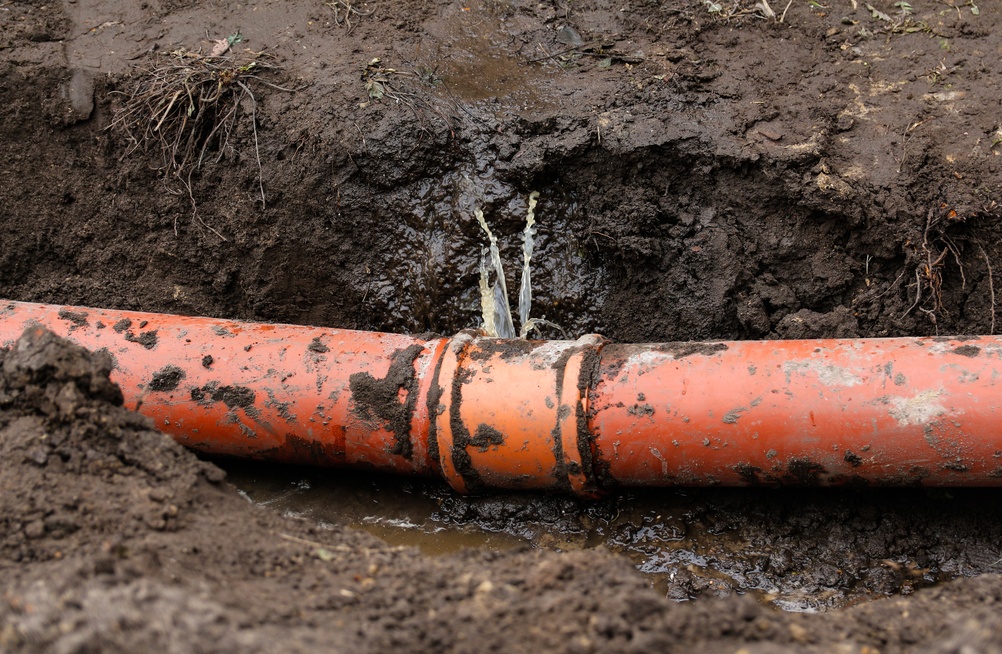
A complete review of underground pipe leak symptoms completes the systematic investigation approach, since some leaks hide beneath the property surface without obvious indoor evidence. Unexplained wet spots in the yard, particularly near where supply lines run from the meter to the house, indicate underground leaks feeding moisture into specific soil areas. Pressure drops in the house water supply, particularly noticeable when multiple fixtures run simultaneously, can signal underground leaks reducing the flow to indoor fixtures. Mineral deposits or soil settling near supply line paths often appear over months or years as underground leaks slowly affect the surrounding earth. Visible cracking in walkways, patios, or driveways near supply line routes can indicate soil shifting from prolonged underground moisture exposure. These symptoms require professional service rather than DIY investigation, since underground repairs involve specialized equipment and excavation work beyond the homeowner’s level of capabilities.
Conclusion
Hidden leaks are resolved when homeowners follow a systematic investigation rather than randomly guessing at possible causes. The meter test confirms whether a leak actually exists before deeper investigation begins, while focused inspection of the most common leak locations efficiently identifies the underlying source in the majority of household situations. Distinctive sounds and symptoms help pinpoint specific leak types when visible evidence remains unclear during the initial inspection. Document findings carefully and call a professional service when the investigation exceeds homeowner-level capabilities, since prompt action prevents the water bill from climbing further while structural damage continues to develop quietly inside the home.
“Surprise bills, mystery drips, hidden leaks. Reach out to Doyle Plumbing at 720-638-8839 today. Our team finds the source fast and quotes the fix in writing.”
FAQs
Q1: Why do water bills suddenly spike for homeowners in Denver, CO?
Sudden spikes almost always trace back to hidden leaks somewhere in the household system, with toilet flappers and irrigation lines accounting for the largest categories. Seasonal increases also affect summer billing when outdoor watering increases, but unusual spikes outside seasonal patterns warrant prompt investigation.
Q2: How much does professional leak detection typically cost in Colorado?
Most professional leak detection services run between $150 and $400 in this market, depending on the complexity of the investigation and the equipment required to pinpoint the source accurately. Underground leak detection using specialized acoustic equipment can cost $350 to $650 for difficult cases.
Q3: When should homeowners in Boulder, CO, call for professional leak detection?
Call when the meter test confirms ongoing water flow with no fixtures running, when irrigation areas show unusually wet patches, or when household water pressure drops noticeably without explanation. Promptness matters significantly, since active leaks compound water bills and structural damage simultaneously over time.